
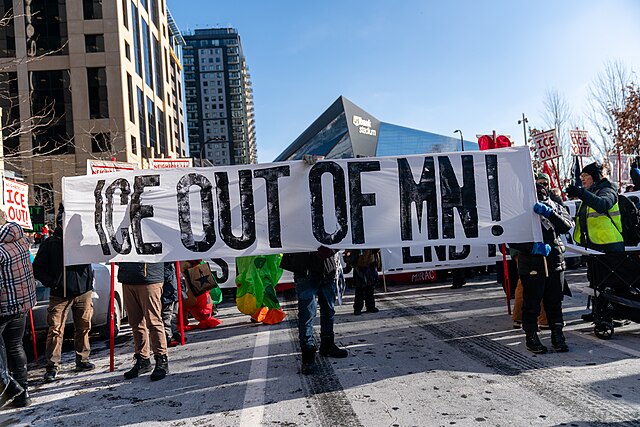
“How many more Americans need to die?” – Mayor Jacob Frey
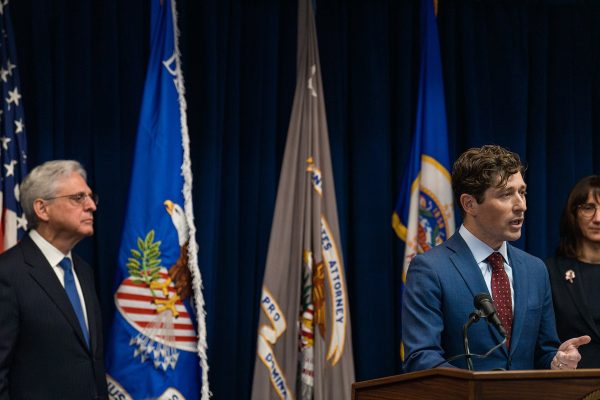
Minneapolis Mayor Jacob Frey once made headlines for telling ICE agents to get out of his city. As Americans continue to die during federal immigration enforcement actions, these words read less like a defiance and more like a warning that we ignored.
“How many more Americans have to die?”
In recent months, a series of deadly encounters involving ICE have shaken communities across the country. Families are grieving, neighborhoods are traumatized. Many Americans are asking why accountability remains elusive while the body count rises.
On December 31, 2025, Keith Porter Jr. was killed during an encounter with an off-duty ICE agent in Los Angeles on New Year’s Eve. ICE agents described the shooting as an active threat, though his family disputes that story. What is not disputed is who Keith Porter was: a devoted father, a son, a man deeply loved by his community.
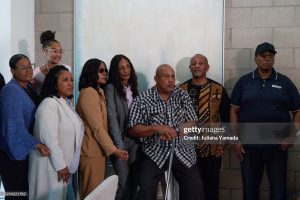
He was killed on a night meant to symbolize hope and renewal, leaving his children to enter the new year without him.
On January 7, 2026, Renee Good, a mother, wife, and daughter, was shot and killed by ICE agent, Jonathan Ross, in Minneapolis – just blocks from where George Floyd was murdered. Her final words were, “I’m not mad at you.” She was shot three times and died from her injuries.
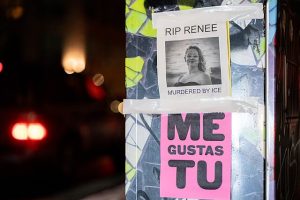
Her wife and dog remained at the scene, devastated. The parallels are impossible to ignore: another life lost, another family shattered, another reminder that Minneapolis remains a national symbol of unaddressed state violence.
Days later, on January 24, 2026, Alex Pretti was killed during an ICE related encounter in Minnesota while attempting to help a woman witnesses say had been shoved by agents. Pretti was a licensed intensive care nurse – a caregiver by profession and by instinct. His final words were reported to be, “Are you okay?“.
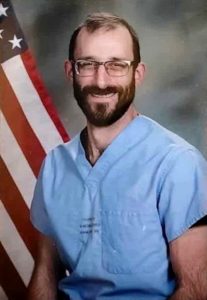
He was legally licensed to carry a firearm, which witnesses and advocates say he did not draw. Despite this, he was shot repeatedly and died in the street. A man trained to save lives was killed while trying to protect someone else.
In 2026 alone, Americans have lost Keith Porter Jr., Renee Good, and Alex Pretti during encounters tied to ICE operations. In 2025, dozens more died in ICE custody or during enforcement actions nationwide. Their names span continents, cultures, and communities, but their stories have a common thread: preventable loss under a system that continues to operate with little transparency and limited consequence.
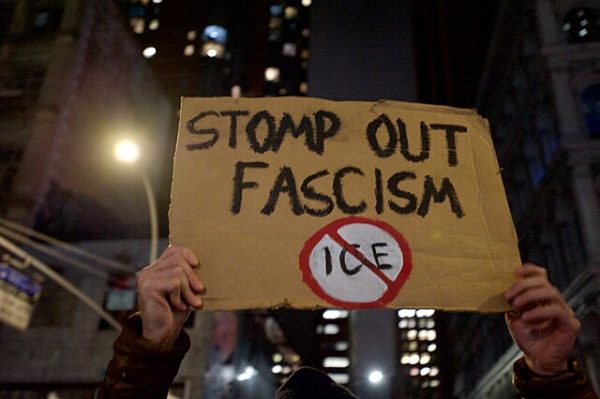
Beyond deaths, recent allegations of sexual assault, abuse, and forcible separation of children, including toddlers, have further increased public outrage. These are not isolated incidents, this is a system that prioritizes enforcement and power over humanity. While some Americans have taken to the streets in grief and protest, others remain silent.
This is the moment when silence becomes a decision, and when indifference becomes permission. When grief turns into action, the question is no longer whether change is needed, but whether when we are willing to demand it.
How much more death will it take for those in power to listen, and how many more lives must be affected before leaders respond — and the violence ends?
The question still stands, urgent and unresolved: How many more Americans have to die?