
What is dance? For many dance is a form of expression and freedom through movement and a way to connect with total strangers without the need for words.
For the Native American people, dance is not just a way to past time but also a religious tool that is used to heal while simultaneously feeling connected to their ancestors who once took part in the same practices many years ago.
Before the hillsides of America knew the steady thrum of locomotives as they trekked along the railroads tracks that seemed to know no end, or the sounds of machinery clearing the forest lands, there were only the echoes of the hand made drumsticks on elk skin drums, and the chants of those all but forgotten.
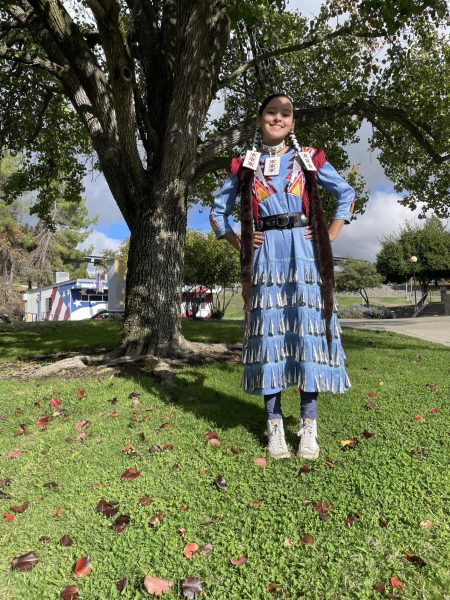
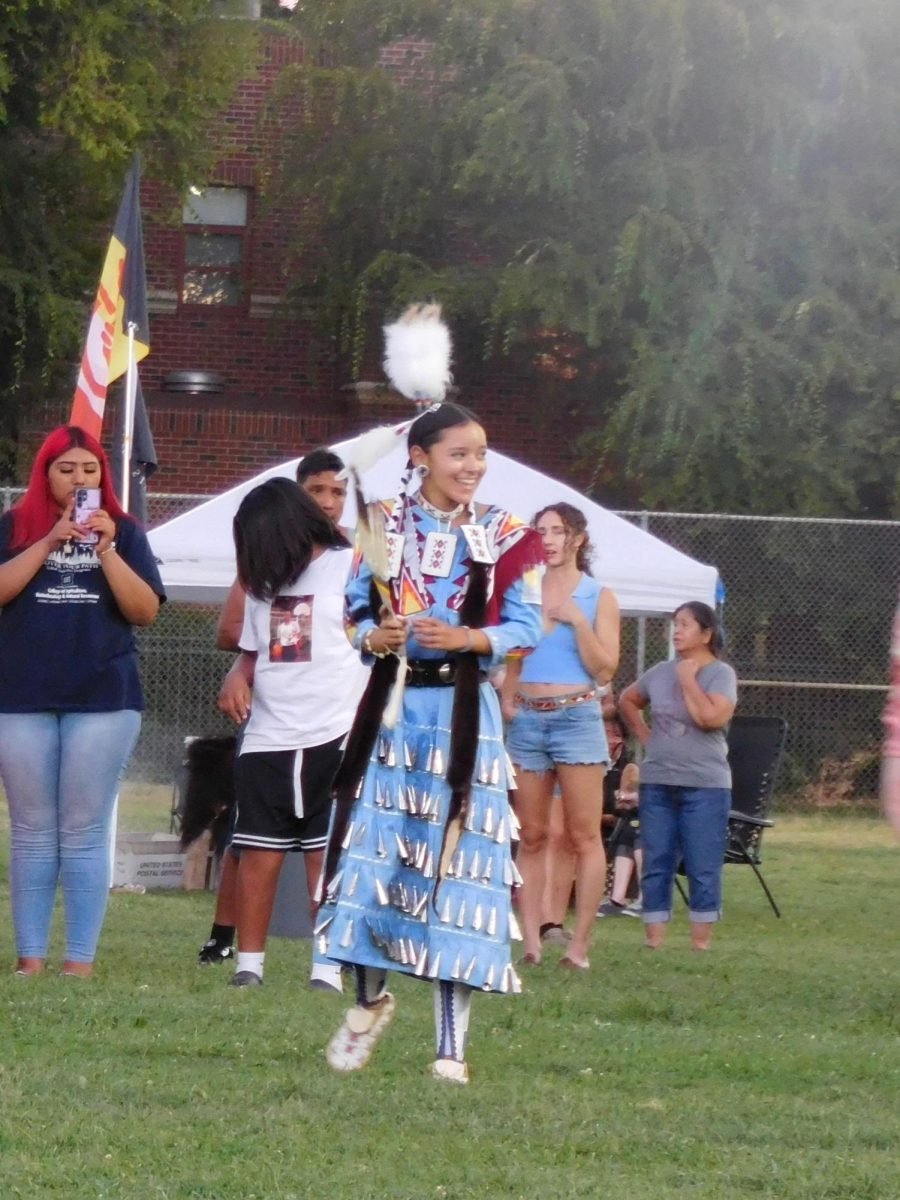
The Native youth of today find themselves on the forefront of the battle to keep their culture alive. I recently had the chance to sit down with Mickaela Watkins, a woman of Lakota descent and jingle dress dancer and ask about the significance of dance within her culture.
Here is what she had to say,
“The Jingle Dress dance means a lot to me. It is a healing dance, I like that when I dance it has the possibly of helping other people and the land. I feel proud that I can dance for my ancestors that weren’t allowed to. It makes me feel confident and when I compete, I don’t look or focus on what anyone else is doing so that I feel like I am dancing in my room alone. It is my version of medicine, physically, mentally, and spiritually.”
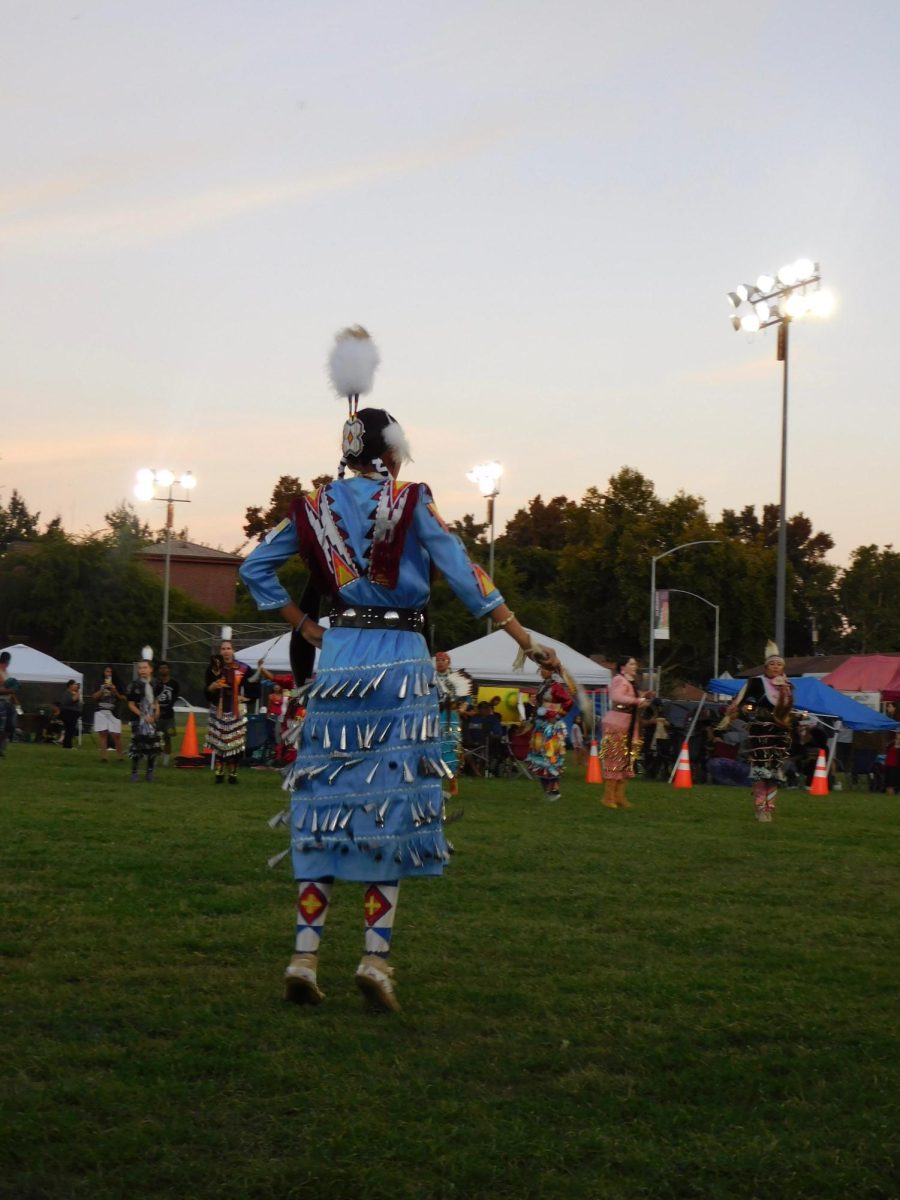
For those unaware, the jingle dress dance is something Lakota women take part in with the strong belief that it will in turn help heal land’s who have themselves stripped of their fertility, and help those they care about and those in attendance with any hardships they may be facing.
The dress holds just as much significance as the dance and each of it’s many jingles were painstakingly made by hand, where upon completion each one was thoughtfully sewn into the traditional style regalia known as the jingle dress.
“My regalia was made by my auntie who sewed it all together and added the stuff to it. The hairpieces, choker, and moccasins were made by an elder in South Dakota. They are special to me, and I can’t wait to add more stuff to it. I usually have eagle plumes in my hair and they are for protection against any negativity.”
Temptation has no favorites and the Native American people of today are no exception. When asked about her struggles between sticking with a traditional lifestyle or a modern one this is what she had to say.
“Yes, more so when I was young. I took part ceremonies where I made friends along with the family that was so often at those events. Whenever I would go back to school I couldn’t really talk about it or share these experiences with my peers because nobody understood. I am blessed to have found the friends and community that I have at Butte College because it has allowed me to find friends who love to be involved with and share our traditions.”
What would you like people to take away from this?
“I just want people to understand that we still exist and we are still struggling and healing from the parts of American history no one likes to talk about. I also want people to acknowledge our struggles and the reasons for them, I am hopeful that this will make others more respectful towards us and our traditions.”