
To those unaware, the bicycle industry has seen itself in a step decline since the sports major boom during the COVID pandemic of 2020. Due to strict guidelines put into place about social distancing and staying in place, many of those who found themselves cooped at home and going stir crazy started to dabble in the hobby of biking.
Biking was so much more than just a casual hobby for individuals during the pandemic as it offered a fun way to get out of the house while maintaining the recommended social distance guidelines. Furthermore, different styles of bikes offered an almost tailored experience for each rider based on what type of riding they were looking to get into.
Hybrid bikes and lifestyle bike such as beach cruisers offered those looking to get out locally a fun and relatively low cost way to cruise around town, or up and down the vacant city streets during the lock downs, the sales these styles of bikes seen an increase of up to 200% in some areas of the country from April 2019 to June of 2020.
As the sales in these so called “lifestyle” bikes began to decline so rose the sales amongst more performance oriented bikes such as mountain and gravel bikes. Sales for gravel bikes skyrocketed during the pandemic, jumping up 140% in June of 2020 from the previous year, followed closely by mountain bike sales which seen a 110% rise from October of 2019 to October of 2020.
Following these trends along with the uncertain wait times for new models of bikes due to cracks in the supply chain from the affects of COVID on the trade industry, shops around the nation stocked up on a surplus of different bike models and brands without foreseeing any possible crash within the market in the near future.
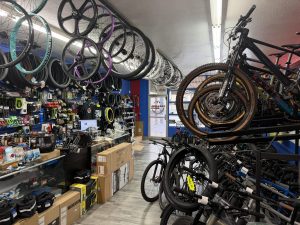
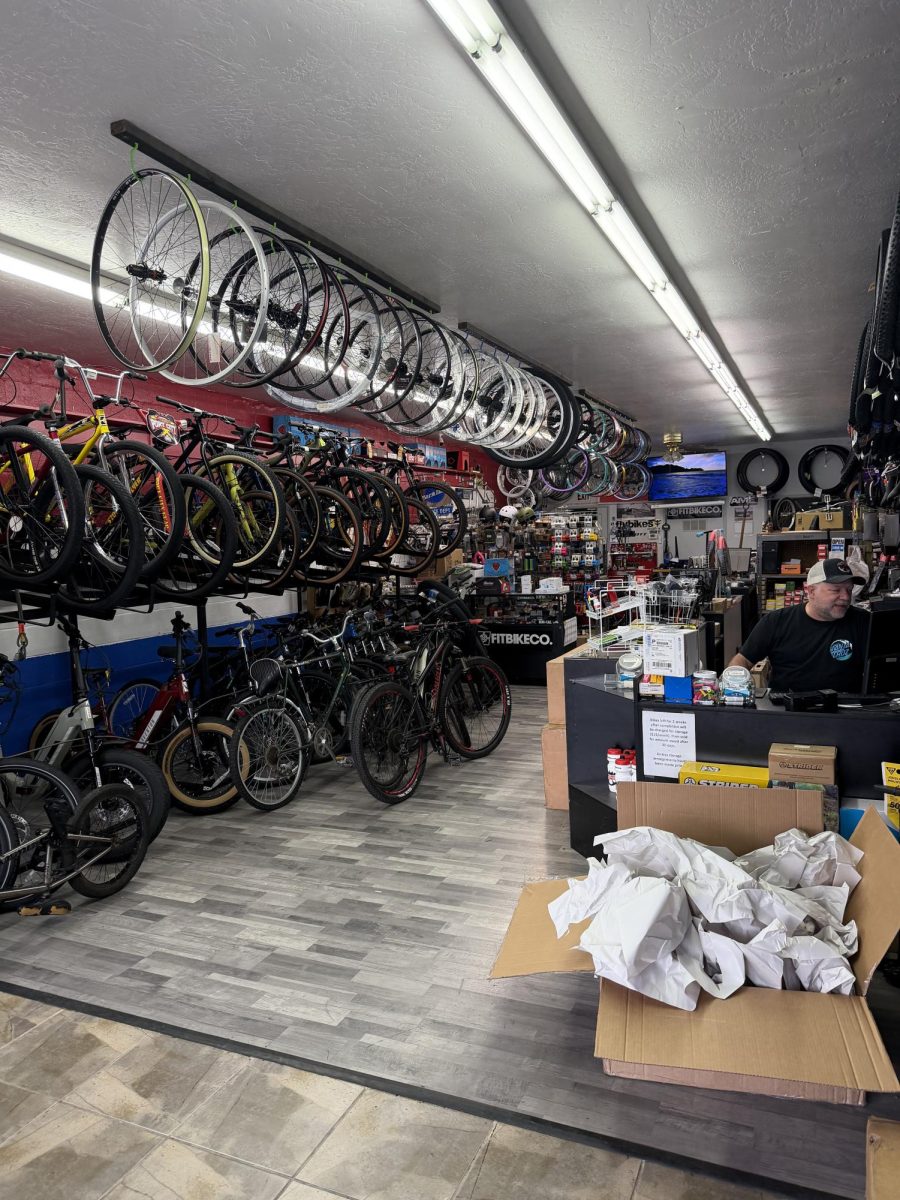
Unfortunately for many of these shops including Orovilles own Paradise Bikes, an uncanny amount of riders had switched over to online outlets for their orders during the pandemic. Local shops found themselves overstocked and underselling product, being unable to compete with constant online sales from both outlets and bike companies themselves causing many to stop stocking new bikes altogether while others just simply shut the doors on their business outright.
As the recent struggles of well established brands such as Saint and Trek have come to light, members here at the RoadRunner began to wonder if any local bike shops had been facing hardships as well, so we made our way down to down Paradise Bikes and asked owner Rich Coglin about the struggles they have been facing since the covid boom.
How have bike sale been for you lately Rich?
“E-bikes, we push lots and lots of e-bikes. Nobody really comes in and buys any of the mechanical stuff nowadays outside of our BMX bikes. The majority of our income comes from services.”
Has it always been like that?
“Always. A lot of bike shops aren’t even carrying new bikes anymore because the margins have gotten so small, also online companies are always having big sales so there’s just no money in it for us. So it’s just boils down to why would we spend thousands of dollars to put that stuff on the floor only to not make any money off it? I’d rather stock items like locks, helmets, tubes, and things like that. But still at the same time it’s like you’ve kinda got to have some bikes in stock in order to look like a bike shop right?”
How long have your bikes been staying on the shelves and does it vary by model?
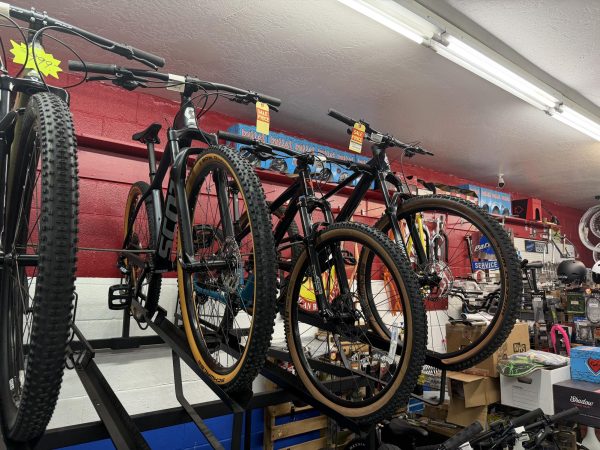
“Yeah it definitely depends. I mean there are some in here that I had in my Paradise location you know three or four years ago that I brought here once I closed up that shop in July last year, but for of these bikes it’s also kinda hard to sell them based on their sizing. For instance that Scott hardtail up top, the third one from the end is a small size frame with 29 inch wheels so that really limits who it will properly fit, plus it’s expensive because it is a carbon fiber bike so that doesn’t help either.”
What do you think is keeping people from coming in here and buying bikes?
“They buy them online now. No shop can have every single size, color, option and. model for multiple brands on the floor. So people will come in to check out what the color actually looks like in person, or how the size they are looking at online fits them and then they go and buy it online. It’s the same reason a lot of bike shops don’t carry shoes, because people will come in and try them on before going on Amazon to order them. So that kind of stuff is always going to be an issue and that’s why for us it’s all about service and parts.”
The team over here at The Roadrunner would like to remind our readers that even though shopping online may be convenient and save you a few bucks compared to the storefronts in your town, those dollars come at the cost of the livelihoods and wellbeing of our local businesses.