
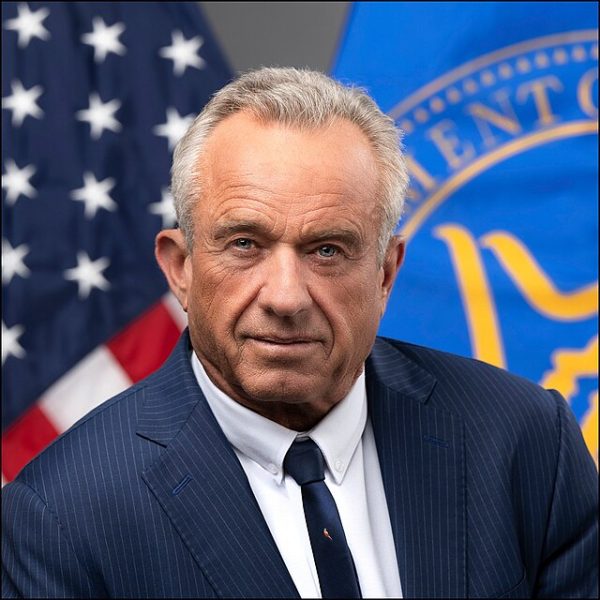
Robert F. Kennedy Jr. is no stranger to media attention, but his recent appearances have pushed him back into the spotlight once again, this time it’s over a proposed “healthy” food pyramid that sharply departs from long-standing nutritional guidance and expertise.
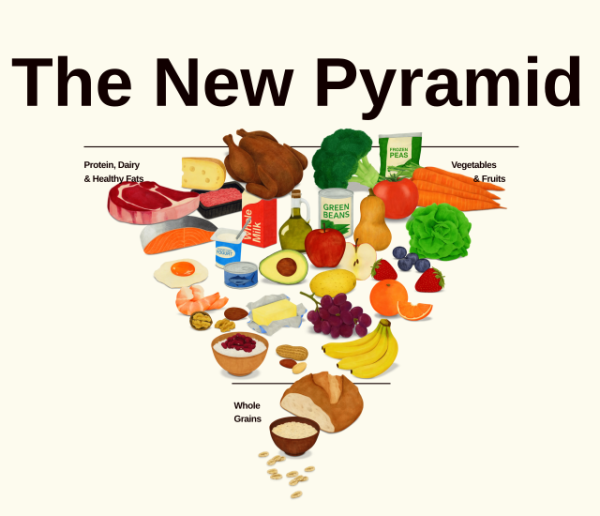
Kennedy’s pyramid places red meat and dairy products at the top of the dietary hierarchy, with contradicts with decades of advice from public health agencies and medical organizations. Traditionally, animal products such as red meat and full-fat dairy products have appeared near the upper, more limited portion of dietary charts, reflecting recommendations that can be consumed in moderation.
Health authorities have long warned that excessive intake of red meat and certain dairy products is associated with increased risks of heart disease, obesity, stroke, and some forms of cancer. Current federal dietary guidelines emphasize and encourage fresh fruits and vegetables, whole grains and lean proteins as the foundation of a balanced diet.
Rachel Hixby, 24, of Chico, California, said, “This could seriously affect everyone’s health. RFK Jr. is NOT a health expert and should be stopped before permanent damage is done.”
RFK Jr.’s proposal has drawn criticism from nutrition and health experts, and his supporters argue that conventional dietary guidelines are outdated or influenced by industry interests, a claim that has been disputed by mainstream medical groups.
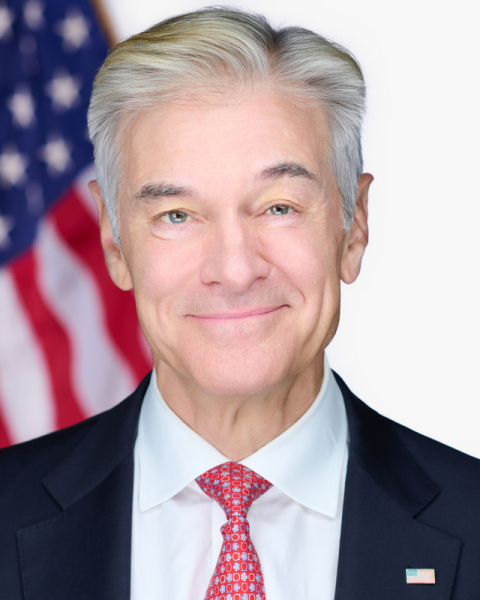
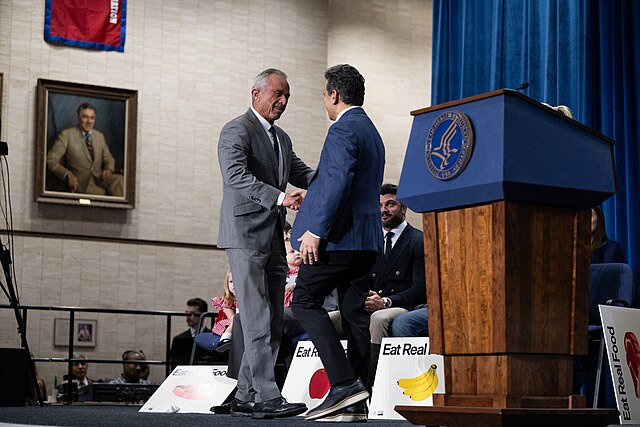
Fueling the controversy was the appearance of Dr. Oz alongside Kennedy in visible support of the new food pyramid framework. Oz, a former cardiothoracic surgeon and longtime television host/personality, has become a divisive figure within the medical community for promoting health claims and treatments that have frequently been challenged by experts.
Oz holds a medical degree however, he is not currently engaged in clinical medical practice. His endorsement of Kennedy’s new food pyramid has prompted renewed scrutiny, mainly from physicians and researchers who question whether medical professionals should support dietary models that contradict widely accepted scientific and medical guidance.
As Kennedy continues to generate headlines, his health positions remain a flashpoint, raising questions not only about nutrition science, but also about the responsibility of influential voices in shaping public understanding of health and medicine.
This has also raised broader questions that stretch beyond nutrition. Some people are asking whether placing red meat at the center of a national eating plan could be a way to encourage higher beef sales across the country. Beef prices continue to surge and are already out of reach for many families.
That concern has led to another question: how would a meat-heavy approach affect people who rely on SNAP benefits to buy groceries?