
Rodents wreak havoc on everything from our homes, gardens, lawns and even businesses leading many to turn to department store remedies such as traps or poisonous bait.
However, those who chose to purchase a toxic bait or rodenticide may be unaware to the dire consequences their choice can have on local eco systems.
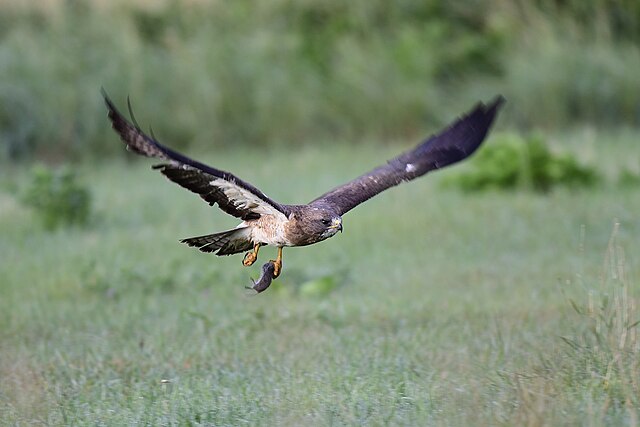
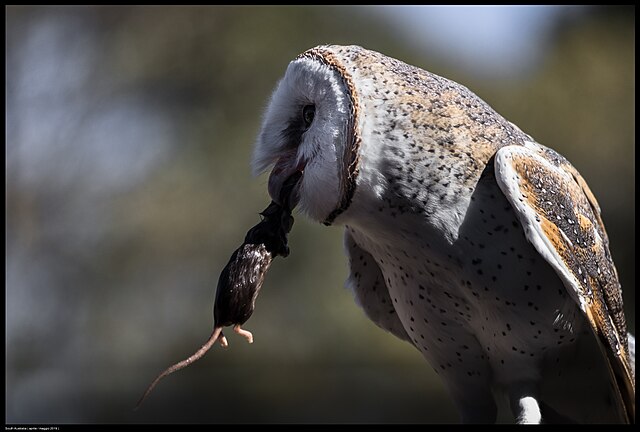
When a rodents ingest toxic baits it can leave them in an inebriated state prior to their deaths making them easy prey for birds such as barn owls or redtail hawks, as well as small mammals that prey on rodents.
When a bird or animal ingests these poisoned rodents it can lead to event known as secondary poisoning. Essentially, the animal or bird that makes the unfortunate choice to prey upon these compromised rodents then become poisoned themselves.
Victims of this unfortunate event range from hawks, owls, small predatory mammals such as foxes, coyotes, bobcats, and racoons, all the way to scavengers like the common vulture or crow.
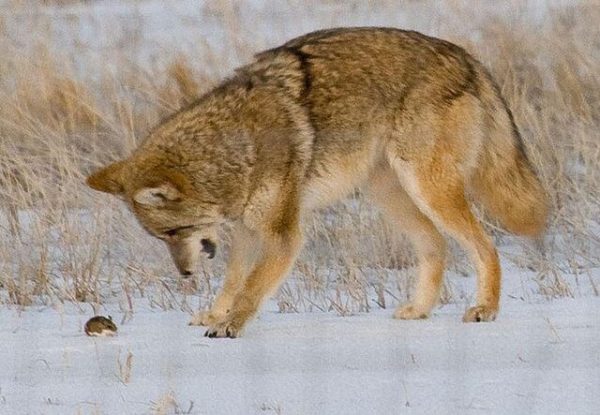
This can reduce the predator population which in turn upsets the balance of some ecosystems. Without predators to control the population of rodents, people will find themselves having an increased reliance on these rodenticides and other forms of pest control.
Unknowingly to most, these rodenticides can also leach into the soil and local water systems which in turn posies a threat to aquatic life and other animals that may be dependent on these recourses.
The need to switch to a different means of rodent control isn’t just essential but also mandatory, with some places like California where recent laws such as Assembly Bill 2552, better known as the poison free wildlife act, limit the availability of these toxic baits for residents looking to manage their rodent populations.
One of the best alternatives to these baits is actually to just encourage the natural predators of these rodents closer to problem areas. Build nesting boxes for owls in areas heavily affected by rodent infestations can encourage birds to settle in the area thus providing long term pest control with the use of harmful toxins.
According to a recent study conducted by Cal Poly Humboldt a single barn owl family can consume as many as 3,400 rodents a year with some estimates even ranging as high as 7,500.
It’s important to share this topic with friends and colleagues because educating other in the harmful effects of rodenticide can help them reduce or substitute their use with more eco-friendly options.
By spreading awareness on this issue we can help empower residents, businesses, and communities to make more well informed decisions based upon the wellbeing of our ecosystems.