

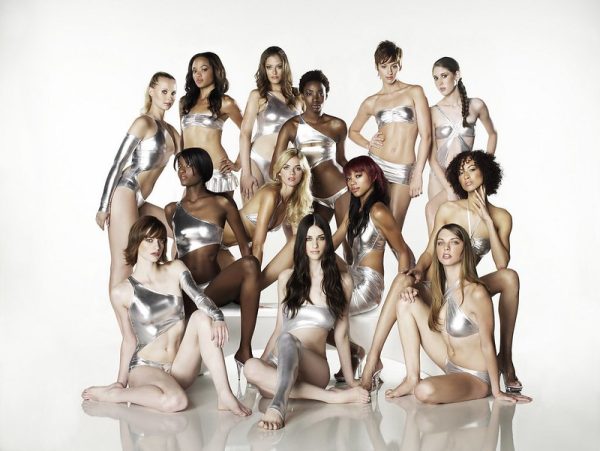
Netflix released Reality Check: Inside America’s Next Top Model on Sunday, Feb. 22, 2026, revisiting a pop-culture’s most talked about franchises. The documentary, directed by Mor Loushy and Daniel Sivan and produced by Tyra Banks and Ken Mok, peels back the gloss of a series that once defined competitive reality TV.
For years, “America’s Next Top Model” sold transformation – hometown hopefuls turned runway-ready contenders in 60 minute episodes. But this behind-the-scenes account reframes this fantasy, highlighting the emotional strain, crafted conflict and blurred lines between mentorship and manipulation. The catwalk, it suggests, was never just about modeling.
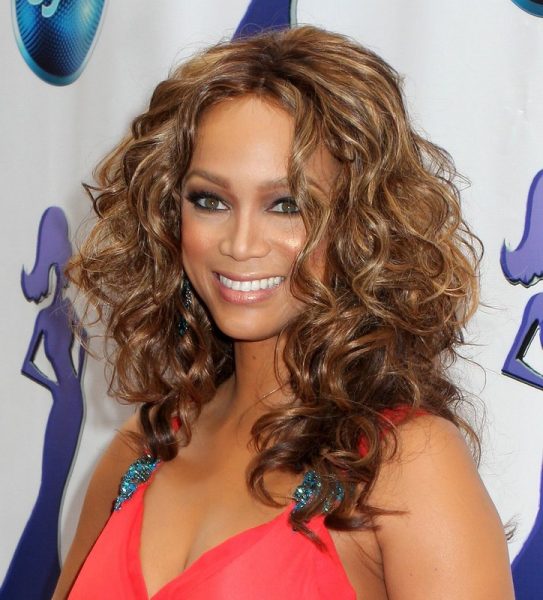
An estimated 14.2 million viewers tuned in, signaling that nostalgic shows still draws crowds — but so does accountability. This documentary does not simply celebrate a cultural phenomenon; it interrogates it, asking whether the cost of “fierce” and “smize” was higher than the audience realized.
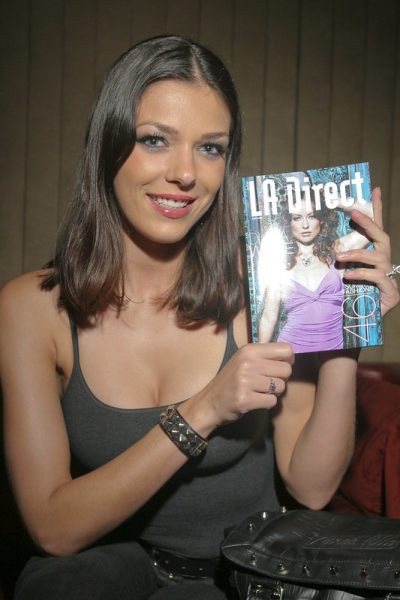
Cycle 1 winner Adrienne Curry delivers her honest reflections. She describes her time on ANTM as “psychological warfare,” characterizing the competition as emotionally draining.
Former contestant ANTM Shandi Sullivan also describes her experience in this documentary, which was one of the most emotional revelations, explaining what was once packaged as a scandal into something far more disturbing.
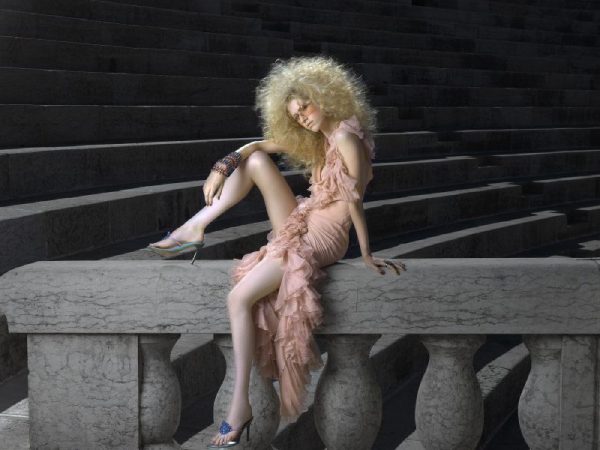
Her account sharpens the documentary’s central critique of reality television: the fine lines that between capturing compelling footage for ratings and protecting these women on camera.
This scene prompts broader questions about the duty of care in reality television. At what point does documenting “reality” cross into failing to protect someone from harm and violence? When serious allegations are reduced to untrue plot twists, who is responsible for these consequences?
When someone survives sexual assault, the emotional scars don’t just fade, they often reshape a person’s life. About 1 in 5 women in America experience sexual violence in their lifetime, and nearly 1 in 3 survivors develop PTSD, and are three times more likely to get diagnosed with major depression.

Anxiety, eating disorders, body dysmorphia, and other mental health issues often follow in trauma’s wake. When reviewing the legacy of ANTM, it’s impossible to ignore how environments built on image, power, and silence can compound wounds that research already tells us are deep, and rarely forgotten. These aren’t just storylines, this is a stark reminder that the psychological impact of trauma can remain long after the event itself.
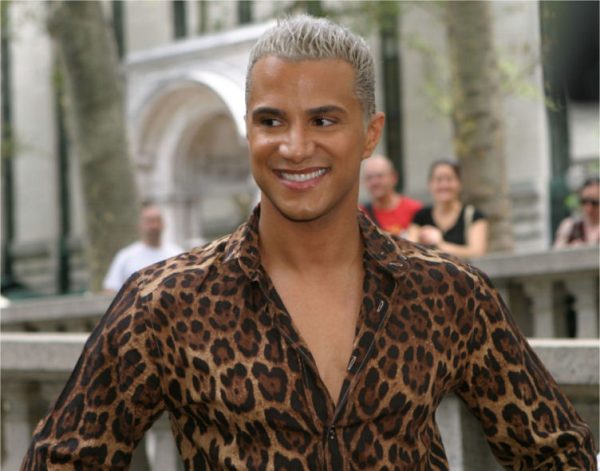
Former ANTM judges Miss J. Alexander and Jay Manuel say in this Netflix series that they are no longer in touch with former host and executive producer Tyra Banks, marking a quiet but notable crack in a once highly visible creative partnership. Banks declined to answer questions about her friendships in this series, but acknowledged that Miss J. “taught her how to walk.”
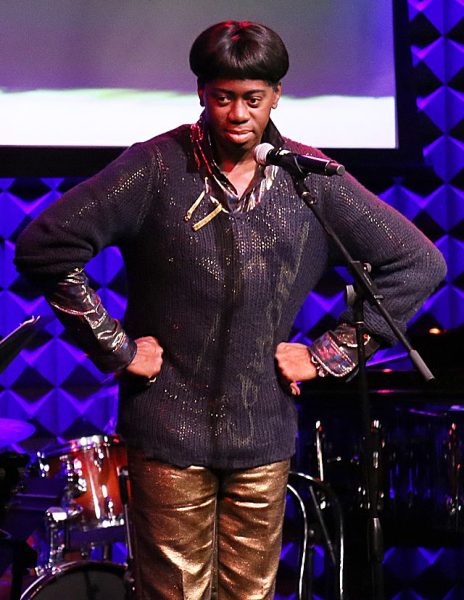
Alexander revealed that he had suffered a stroke in 2022, and says that he did not hear from or see Banks during his recovery. The absence, he suggests, compounded the experience. The pain, he indicates, was not only physical but emotional as well.
Manuel and Alexander’s reflections add another layer to this documentary series’ examination of loyalty and legacy – raising questions about how relationships formed under studio lights, how they unravel once the cameras stop rolling.
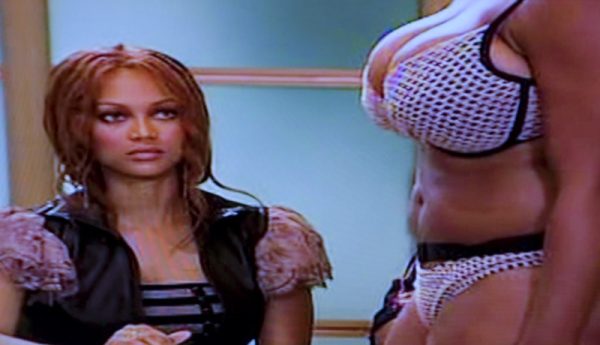
Beyond fractured friendships and behind-the-scenes revelations, the documentary also amplifies the former contestants who say that their time spent on ANTM reshaped how they saw themselves and it affected their mental and physical health. Several women describe lingering body dysmorphia, eating disorders, diminished self-esteem and a distorted sense of worth that followed their exit from the competitive series.
Some reveal that they were encouraged to lose weight, alter their physical features or undergo dental work in pursuit of lasting in the ANTM arena. These stories widen the lens beyond the runway, prompting broader reckoning for the audience that once tuned in weekly.
For young viewers, who absorbed these beauty standards in real time, the documentary raises the question: What did watching this series cost you? How deeply did reality television and pop culture shape the mirror you look into today?
Pop culture’s beauty standards do not discriminate by gender, even if the conversation often suggests otherwise. While research consistently shows women report lower self-esteem at higher rates than men, the pressure to measure up – to filtered images, sculpted bodies – cuts across both.
The comparison culture fueled by television, advertising and social media rarely stops at one demographic. Men and women alike internalize the same unspoken equation: appearance equals worth. The result can be a quiet erosion of confidence, where body image concerns seep into mental health, shaping how people see themselves long after the screen fades to black.
The question lingering far after the credits roll is not just about what happened behind the scenes, but how many people carried those standards into their own mirrors and hearts, long after the lights dimmed.

For readers unlearning what they absorbed from years of televised beauty standards, and wrestling with self-doubt, I leave you with the words of fashion icon Coco Chanel – “Beauty begins the moment you decide to be yourself.” In a world still chasing perfection, that decision may be the bravest and most powerful one of all.