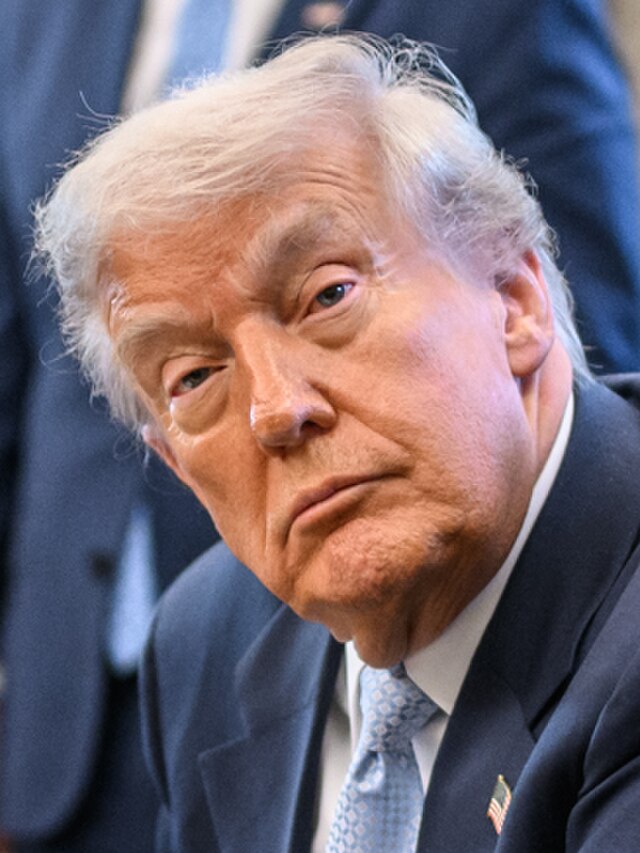

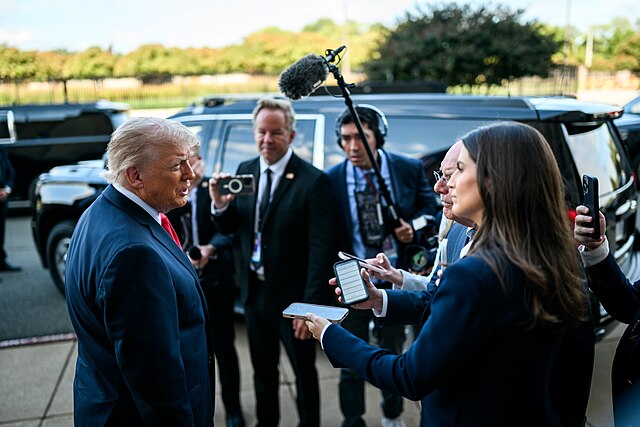
Now more than ever, violence and threats against journalists are no longer hushed concerns but new realities. President Donald Trump publicly referred to journalists as “ugly” and “stupid”, and also called a female reporter “piggy” on live television. Words from powerful figures carry weight, and in today’s climate, these words fall on the shoulders of the press, and the ears of viewers around the world.
Across the United States, journalists are encountering an escalating pattern of threats and intimidation, undermining the foundation of a free and independent press. The question remains: How much longer will the harassment and violence continue?
On Nov. 27, 2026, Nancy Cordes, a correspondent covering the White House, asked President Donald Trump why he was blaming Joe Biden for a shooting involving two members of the National Guard. Trump responded sharply, saying: “Are you stupid? Are you a stupid person? Because they came in on a plane, along with thousands of other people that shouldn’t be here, and you’re just asking questions because you’re a stupid person.”
“Quiet. Quiet, piggy,” President Trump told Catherine Lucey, a White House reporter, after she asked about the Epstein files. Rather than answer the question, he retorted to insults.
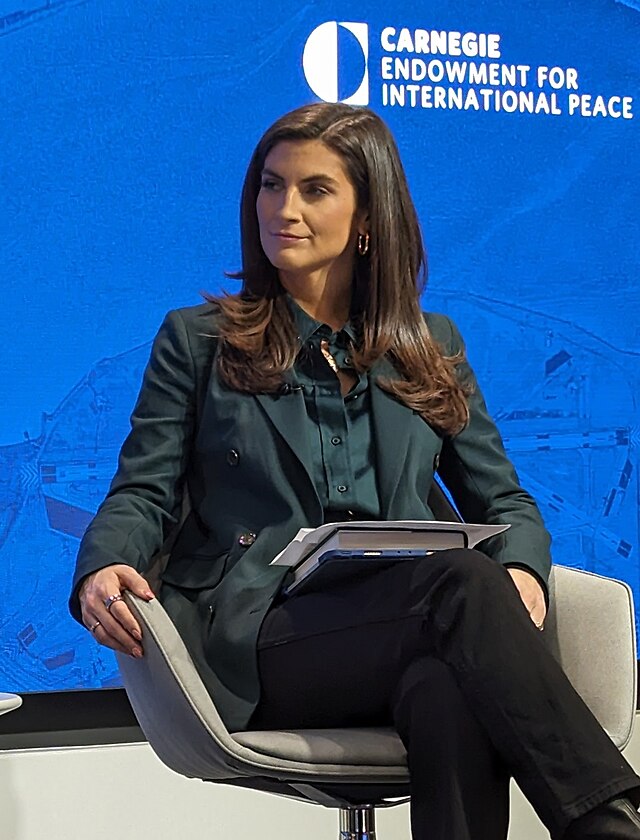
On Dec. 6, 2026, President Donald Trump posted on his Truth Social account about CNN journalist Kaitlan Collins, writing: “Caitlin Collin’s of Fake News CNN, always Stupid and Nasty.”
With a president making remarks like this, the question isn’t just about journalists, it’s about all of us. Does this lower the bar for civil discourse? If the nation’s leader talks this way, does it make insults and personal attacks seem normal?
Kaitlan Collins has long been a target of President Donald Trump’s personal attacks. Earlier this month, at a White House press conference, Collins asked about the victims in the Epstein files case. Rather than answer, Trump veered into attack mode, calling her the “worst reporter” and even complaining that she never smiled.
Collins didn’t flinch. “It’s not about me. It’s not about me smiling and my expressions,” she said. “It’s what these women think about what this administration has done.” Her response cut to the heart of the matter: journalism is not about charm or optics, it’s about holding power to account, even when that power is looking right at you.
Misogyny, in many forms, is alive and well. Telling women to smile should never be tolerated, especially not from the nation’s highest office.
The President has called the New York Times “truly the enemy of the people” and a “cheap rag.” It’s a refrain he has repeated for years, undermining the credibility of the news and the press. With so many examples piling up, one can’t help but ask: If this is the new normalcy, whats does that mean for how people talk to each other?
Across the globe, students and aspiring journalists are taking note. With attacks on the press increasing, this is a moment when fearless reporting matters more than ever. Fellow Roadrunners, if you’ve ever considered a career in journalism, there has never been a more urgent – or perfect – time to step in.
Collins herself stands as an inspiration for journalists and journalism students alike, a reminder that courage and integrity still define the profession.