
Bats throughout North America are currently facing a threat that has absolutely ravaged the population like none before.
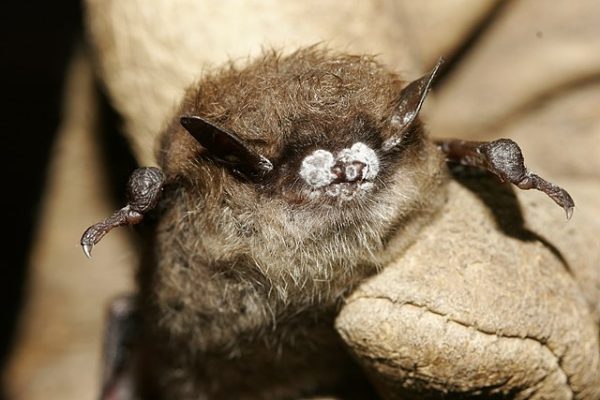
This silent killer slowly crept its way here from somewhere in Eurasia, and it isn’t what would typically come to mind when imagining such a ruthless force, yet the fact remains this fungus known as “white-nose syndrome” has claimed the lives of over 90% of three different species in North America since it was first discovered in February 2006.
While the name may cause one to downplay the threat this fungus poses to the bat colonies of North America, the facts are as follows.
According to the Center for Biological Diversity, the fungus has been a direct factor in the death of an estimated 6.7 million bats since 2006, where its presence was first confirmed in a cave in Schoharie, New York.
Many are unaware of the vital roles bats play both in local and the worldwide ecosystems, where they take part in chiropterophily(pollination of flowers by bats), pest control, and the direct role of transpiration of some plant species to new area.
Compared to the average North American honeybee, who’s maximum flight distance is only around eight miles, bats have been known to fly as far as 600 miles. These remarkable treks help ensure genetic diversity among plants.
The pollination process is vastly similar to that used by butterflies. When a bat lands on the flower to feed on its nectar, the pollen sticks to the hairs on their bodies. When the bat then flies to another flower it transfers the pollen, facilitating the cross pollination process. While bees may get the vast majority of credit for the pollination process, over 500 different plant species worldwide rely on bats for their critical pollination process, including some economically important crops such as peaches, cloves, and bananas.
Bats also consume large amounts of insects that have a negative impact on crops, the decrease in bat populations amongst farming communities can often cause in an increased reliance on harmful pesticides.
Bats also help disperse seeds when taking part in one of their favorite pass times, eating fruits! As their bodies proccess the pulp from these fruits they will then excrete the seeds while in flight thus encouraging the growth of new flora in areas it may not have previously been found.
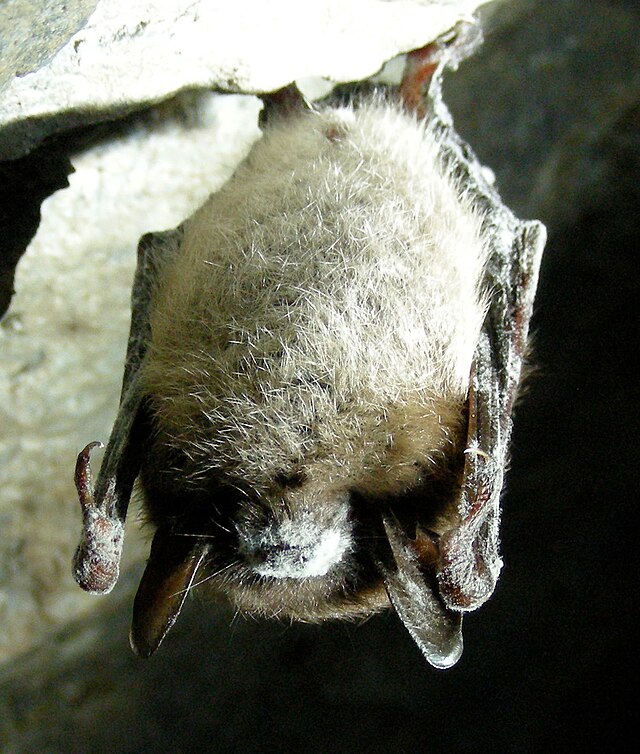
The term white-nose syndrome refers to bats who have become infected by a fungus know as Pseudogymnoascus destructans. The fungus not only damages the immune systems of bats, it also causes the bats to develop rashes on their nose, ears, and wings.
These rashes result in the bat being woken up during hibernation where it will scratch at the effected areas. As the infected bats begin waking up from their hibernation they will begin to seek out insects that are currently out of season. These unnatural flight patterns will cause the bats to burn through the stored calories they need to survive the winter.
According to the Cornell Wildlife Health Lab, the mortality rate for bat colonies dealing with this fungus is as high as 90-100%.
What are the scientists and wildlife conservationists in America doing to combat this one may ask?
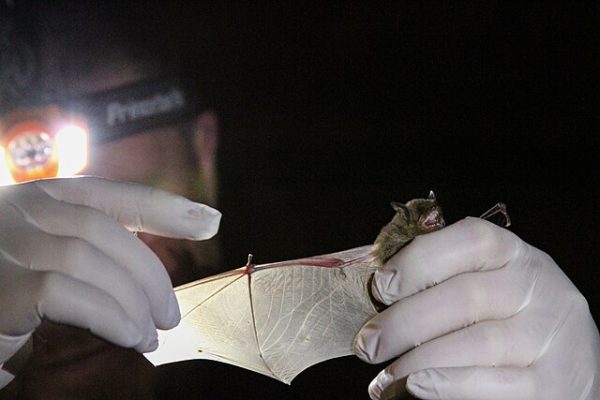
As of today there is no cure or definite way to treat infected colonies. Researchers are currently developing and administering new vaccines to choice bat colonies. The US Fish and Wildlife reported that the two colonies treated with an experimental oral vaccine prior to infection have experienced significantly lower levels of fungal infection, though it should be noted further studies are needed to show how effective this vaccine will be in treating bats that are already infected with the fungus.
As well as the use of experiential vaccines, some researchers have turned to UV-C or ultraviolet light as a tool to neutralize the fungus in the both the air and surfaces of some caves. In order to avoid disturbing the bats even further, this treatment takes place outside of the hibernation period. While it is still too early to write this off a sure way to kill the fungus, research has found that of nine sites treated with UV-C light, all of of them experienced a significant decrease in fungal loads as a whole.