
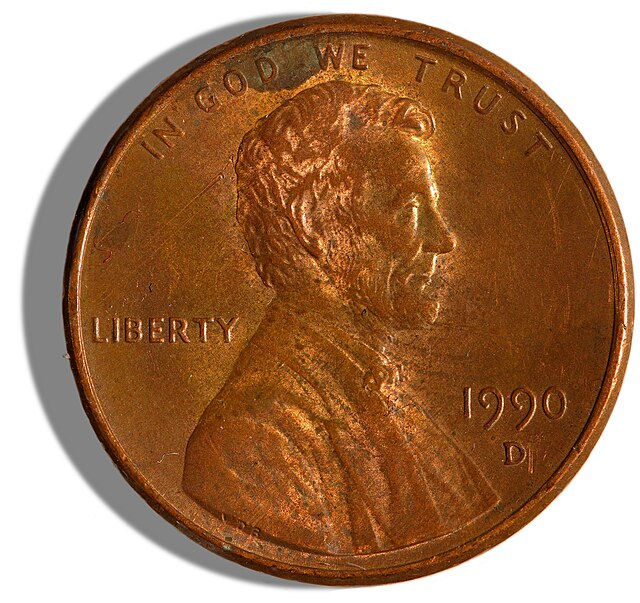
Since 1909, Americans have gotten used to seeing President Abraham Lincoln stamped on a shiny face of the country’s one-cent coin. As of Wednesday, November 12, The U.S Mint has produced its very last patch of pennies. This brings an end to one of the longest lasting pieces of American currency.
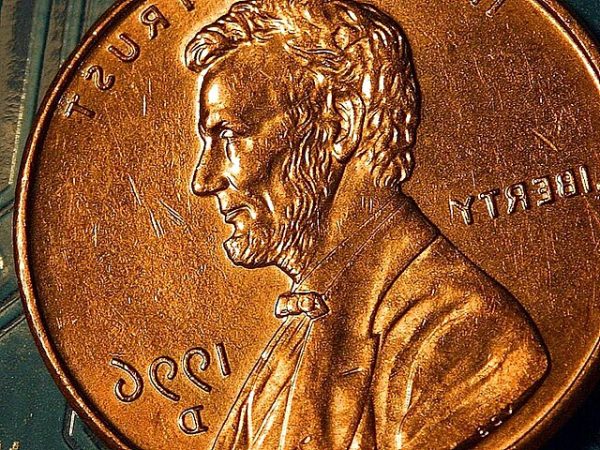
November marks the end of the copper-colored era. For generations, the penny lingered and jingled in purses and wallets, collected in jars, and stuck between couch cushions and car seats across the country.
The first U.S penny was issued in 1787 and minted in 1792. The coin originally featured a woman with long hair, long before Lincoln’s presence on the coin became iconic. President Trump ordered the United Sates Treasury in February of this year to end penny production, and on Wednesday of last week, his orders took effect.
The penny inspired the schoolyard rhyme, “Find a penny, pick it up; all day long, you’ll have good luck, ” children recited on playgrounds for decades and into adulthood. With the coin now retired, retailers and economists are worried about what the sudden disappearance of the penny could mean for businesses that rely on cash transactions. How will this impact Americans?
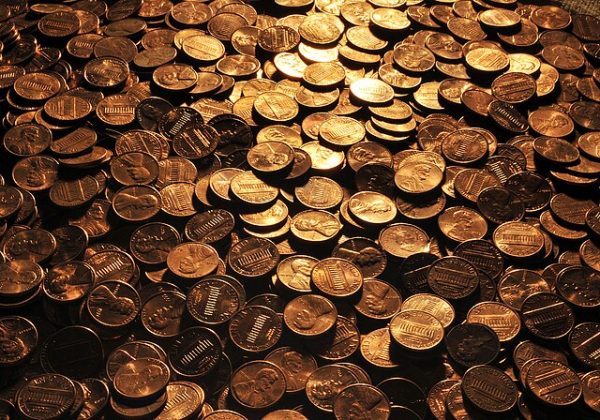
Louis Prima’s classic song “Pennies From Heaven” hits differently now and feels newly relevant, now that the pennies have suddenly gone to heaven and laid to rest. With the penny gone, cash transactions will be rounded to the nearest nickel instead of the exact cent.
Some experts caution that rounding to the nickel may complicate money transactions, while others say the rise of digital payments has already made the penny irrelevant. Whether the penny’s retirement becomes a small financial inconvenience or a positive shift in American retail remains to be seen.
What is certain is that, after 115 years, this nation is saying “goodbye” to one of its most familiar pieces of pocket change. As the country adjusts to the loss of this coin, questions remain: what really motivated this sudden change in everyday currency, and how will this reshape the economics of American retail?